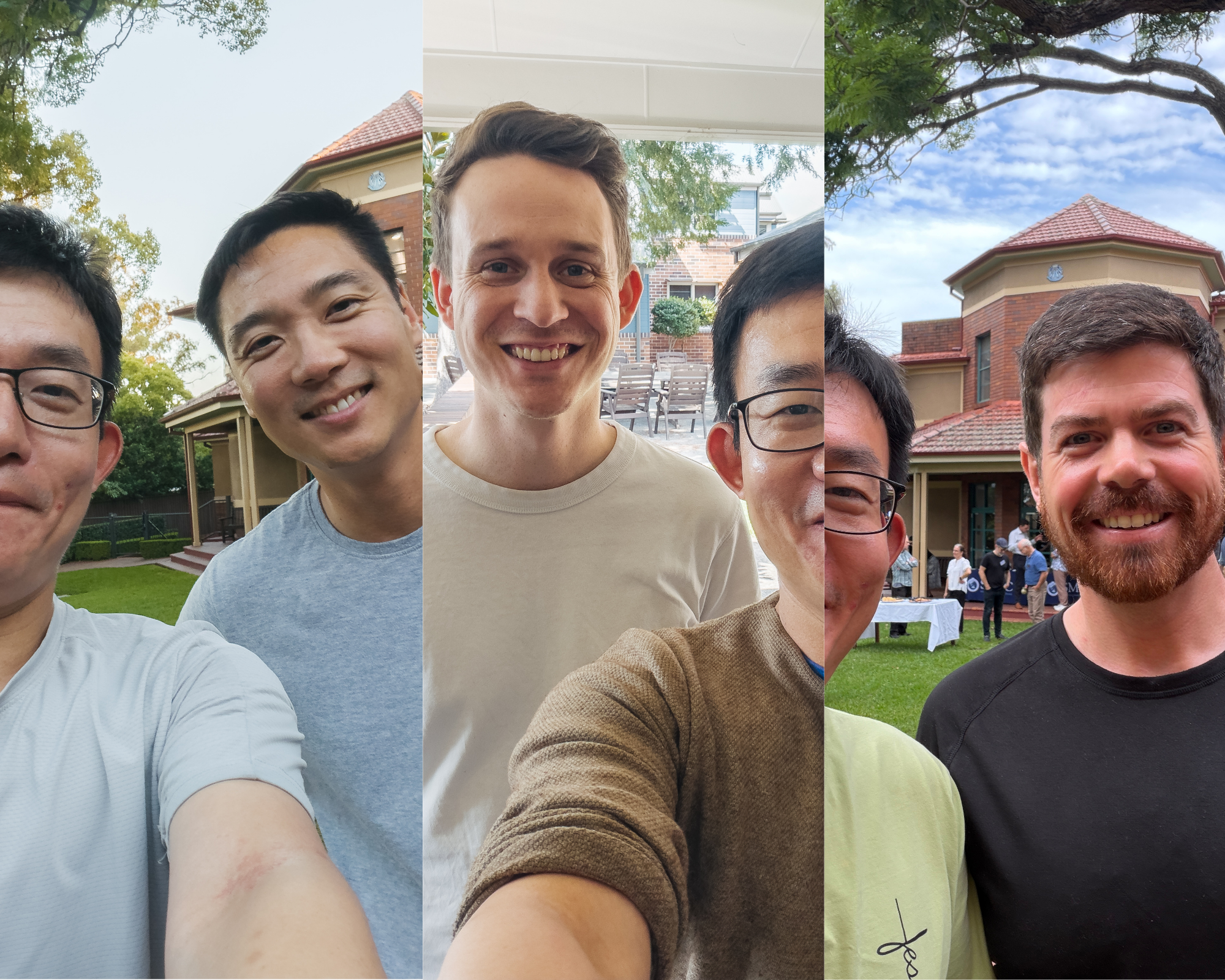
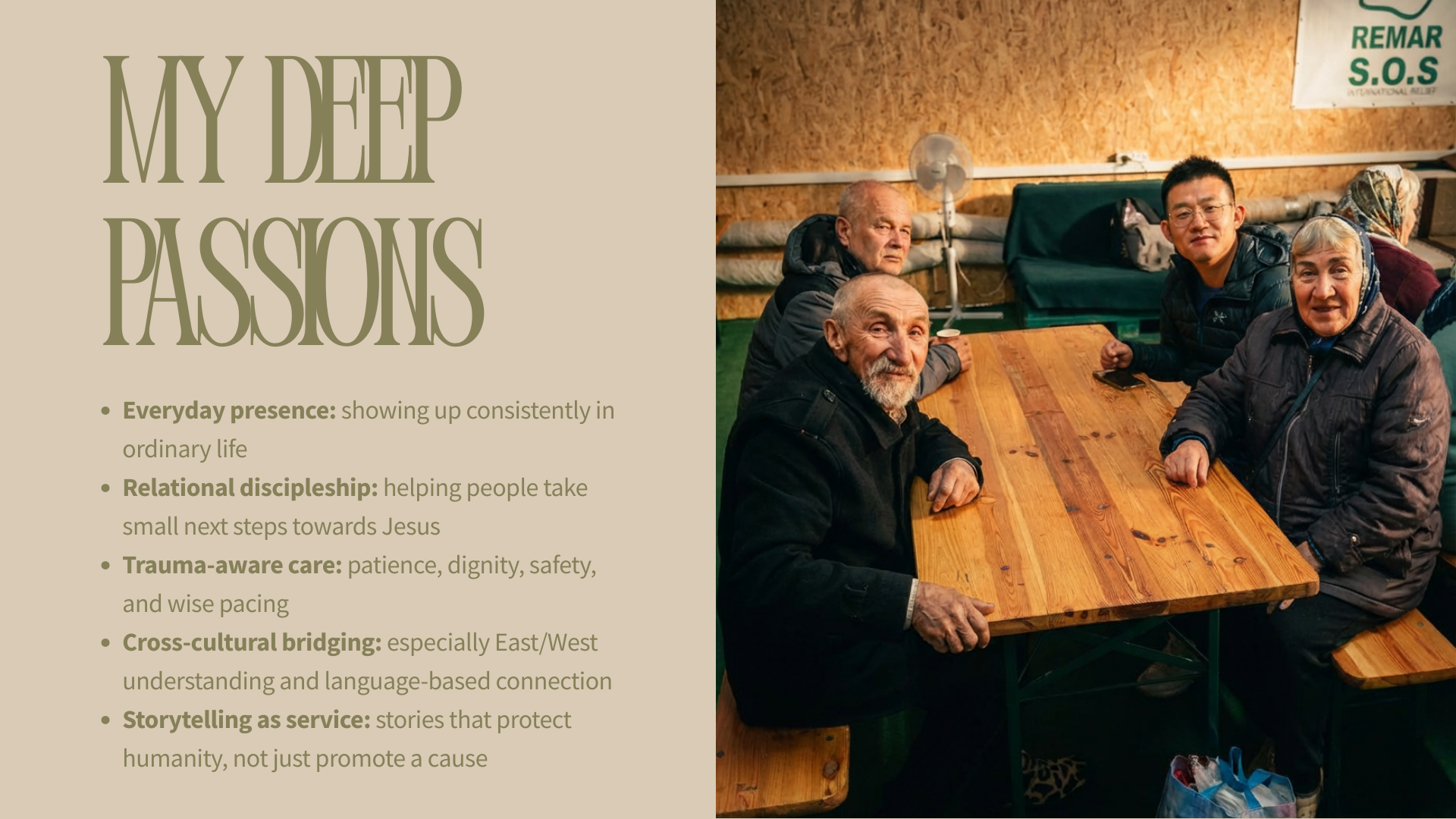
This mission trip came to me through images: faces around tables, old churches in Northern Spain, immigrant stories in Southern Spain, and quiet moments of faithfulness in Azerbaijan and Georgia.
In this update, I want to share a few photos and reflections from the road — the places I visited, the people I met, and some of what God has been teaching me along the way.
Northern Spain — Basque Country
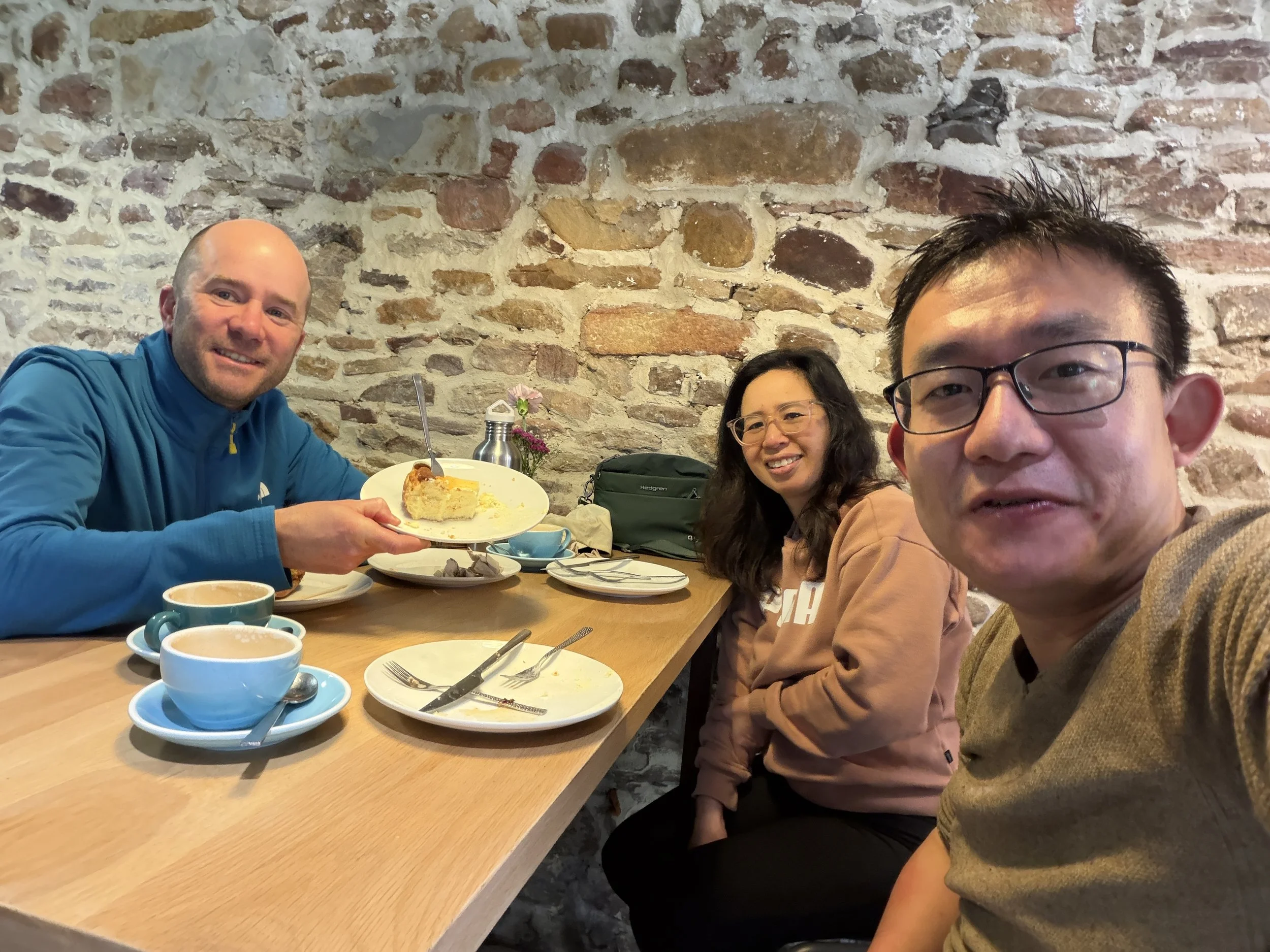
The first part of the trip took me to Northern Spain, where I visited James and Carolynn in the Basque Country.
They serve in a beautiful but spiritually complex region. They also run a guest house connected with the Camino walk, welcoming pilgrims and creating space for conversation, rest, and gentle gospel witness.

The Basque Country is stunning. Green hills, stone streets, old churches, mountain air, and a deep sense of history. Catholicism is very visible — in buildings, symbols, festivals, and culture. But visible religion does not always mean open hearts.
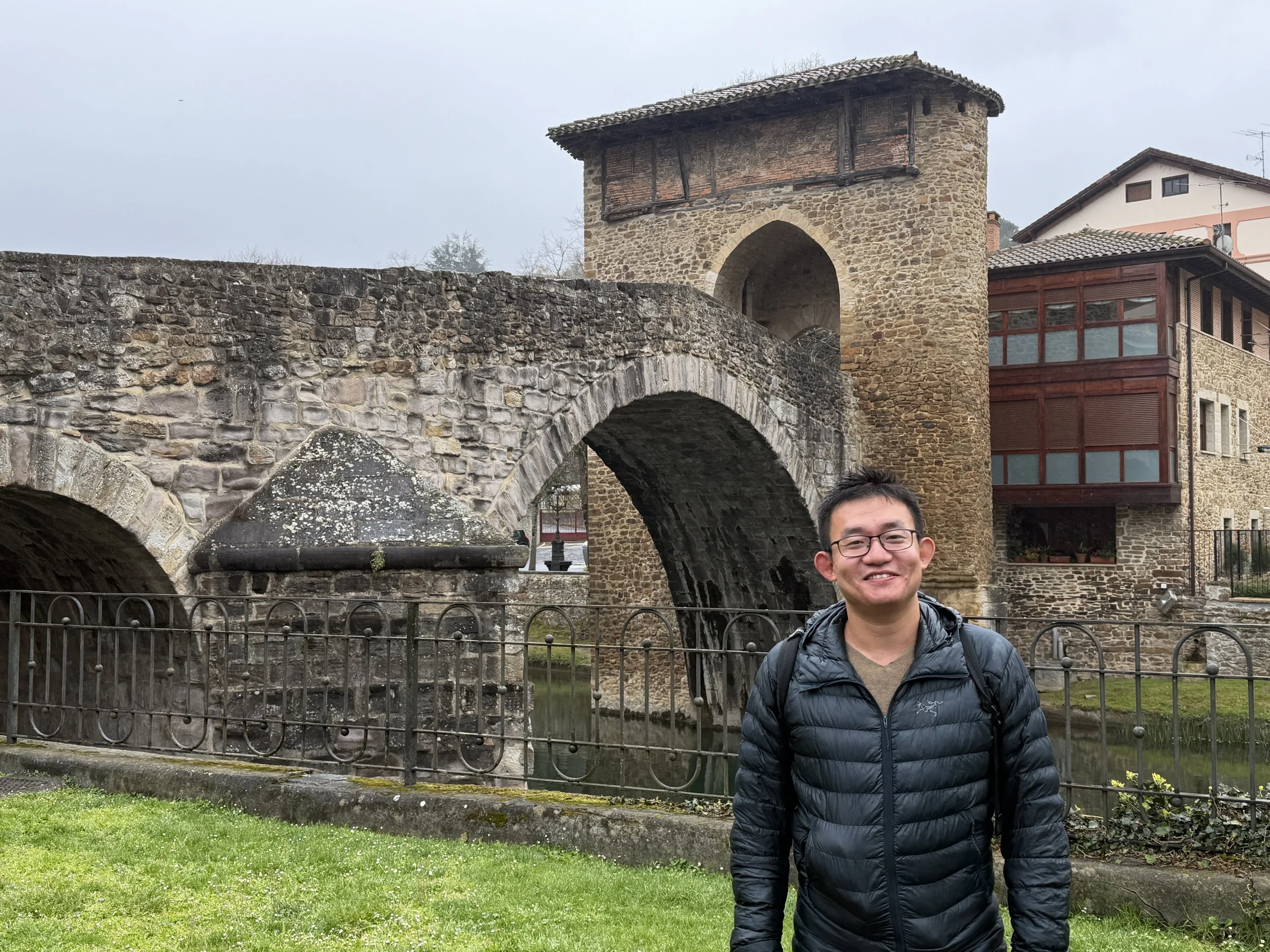
In many parts of Europe, Christianity is part of the cultural memory, but not always part of people’s living faith. The Basque Country in particular has a strong local identity, a painful political history, and a very secular younger generation. So for many people, religion can feel like tradition, institution, or something from the past — not necessarily good news for today.
That helped me understand why mission is still needed in places like Spain.
Sometimes we think of mission only as going to places where people have never heard the name of Jesus. But there are also places where the church buildings are old, the stories are familiar, and yet the gospel itself feels distant. There is a need for patient presence, long-term friendship, and humble witness.
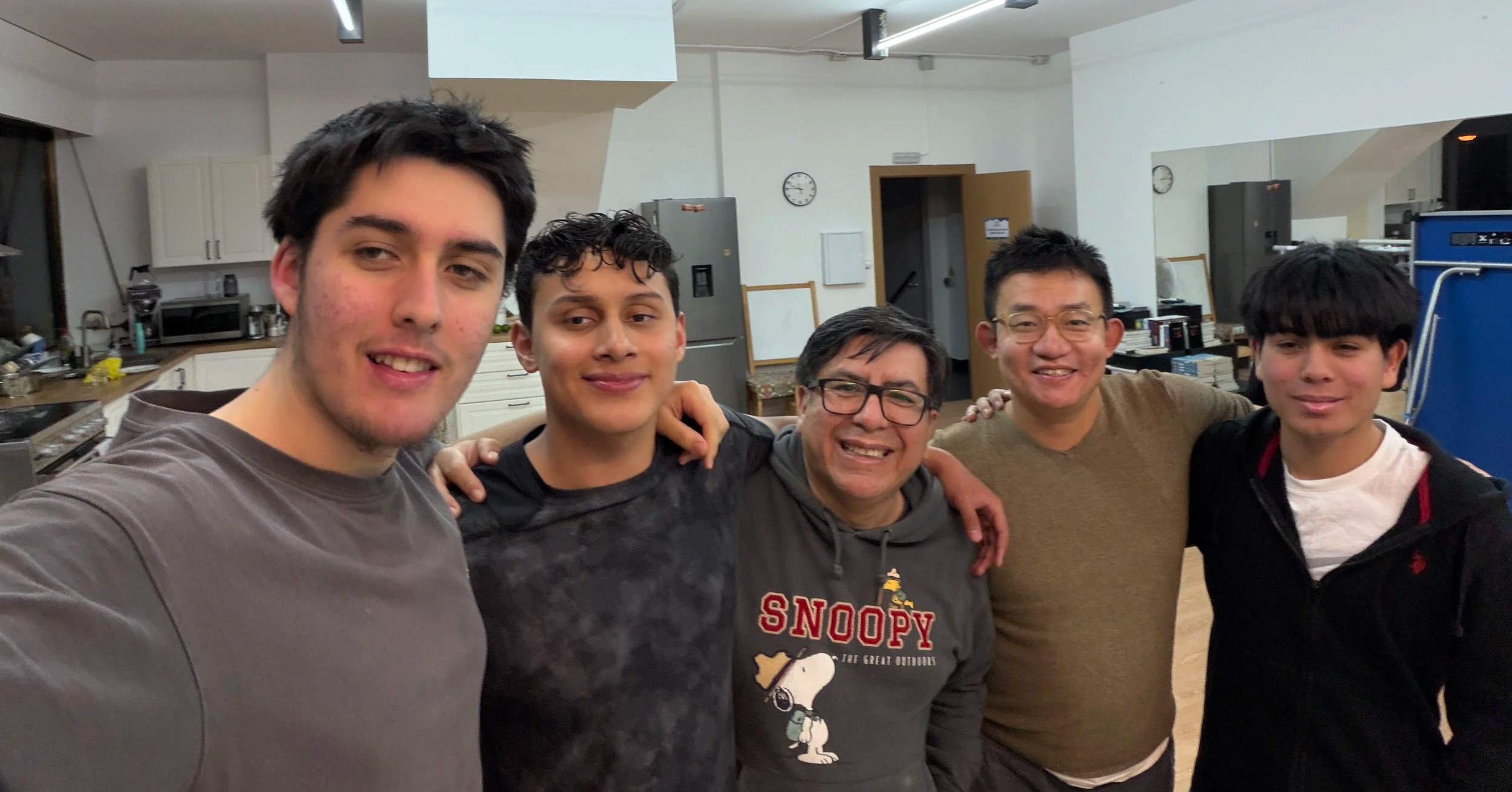
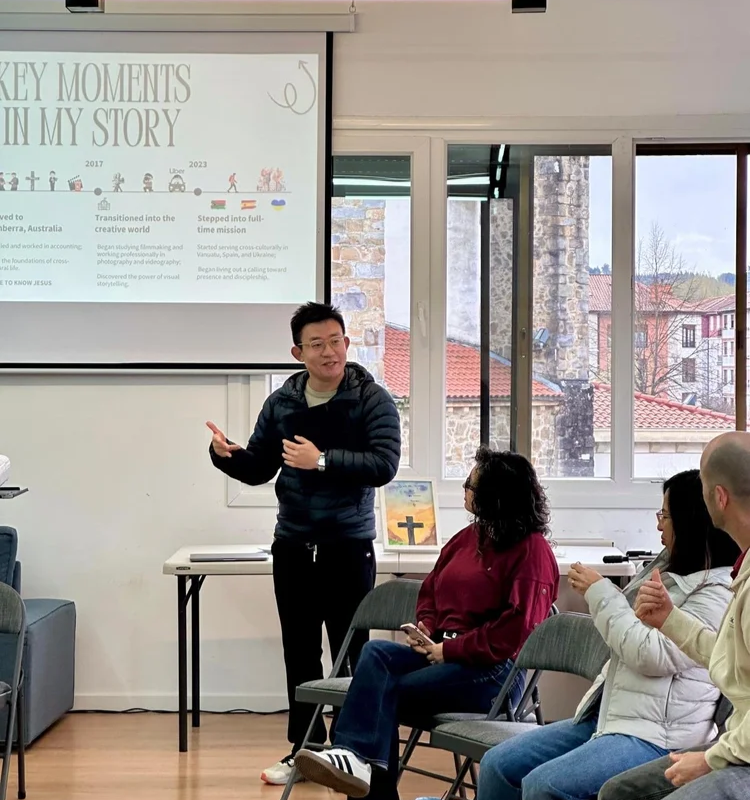
While I was there, I had the opportunity to share some of my own journey with the youth group and the church. I shared about how God has led me through different cultures, through questions, and through this ongoing process of discernment
Southern Spain - Eyeopening Encounter
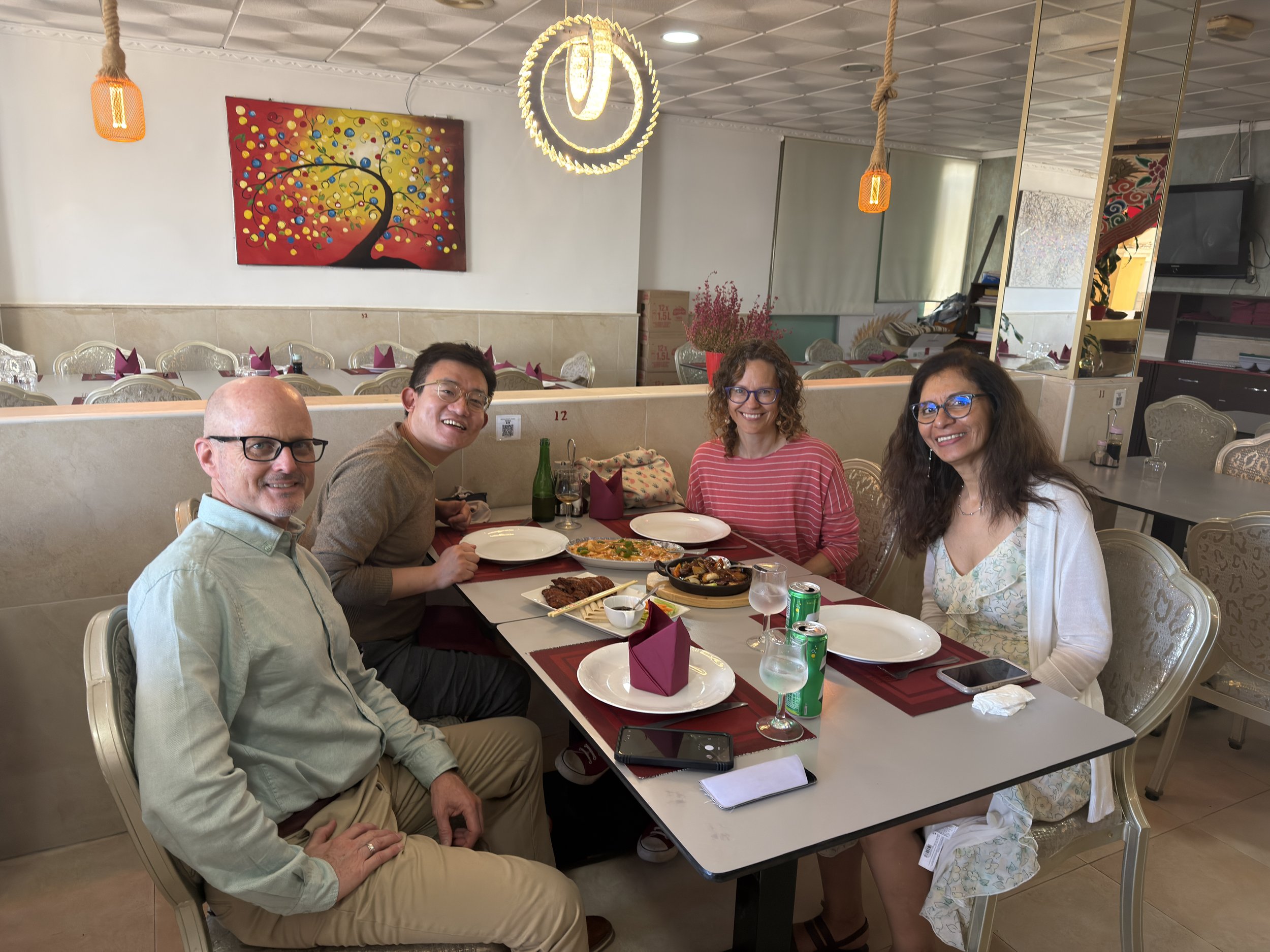
From Northern Spain, I travelled to Southern Spain, where I met Chloe and David. Their ministry is among North African immigrants.
This part of the trip was very eye-opening for me.
Southern Spain sits close to North Africa, so for many migrants it becomes one of the first entry points into Europe. Some come looking for work. Some flee instability, poverty or hopelessness. Some arrive through official pathways, while others come through very dangerous journeys by sea.
I met two immigrants there, and one of them shared with me how he arrived.
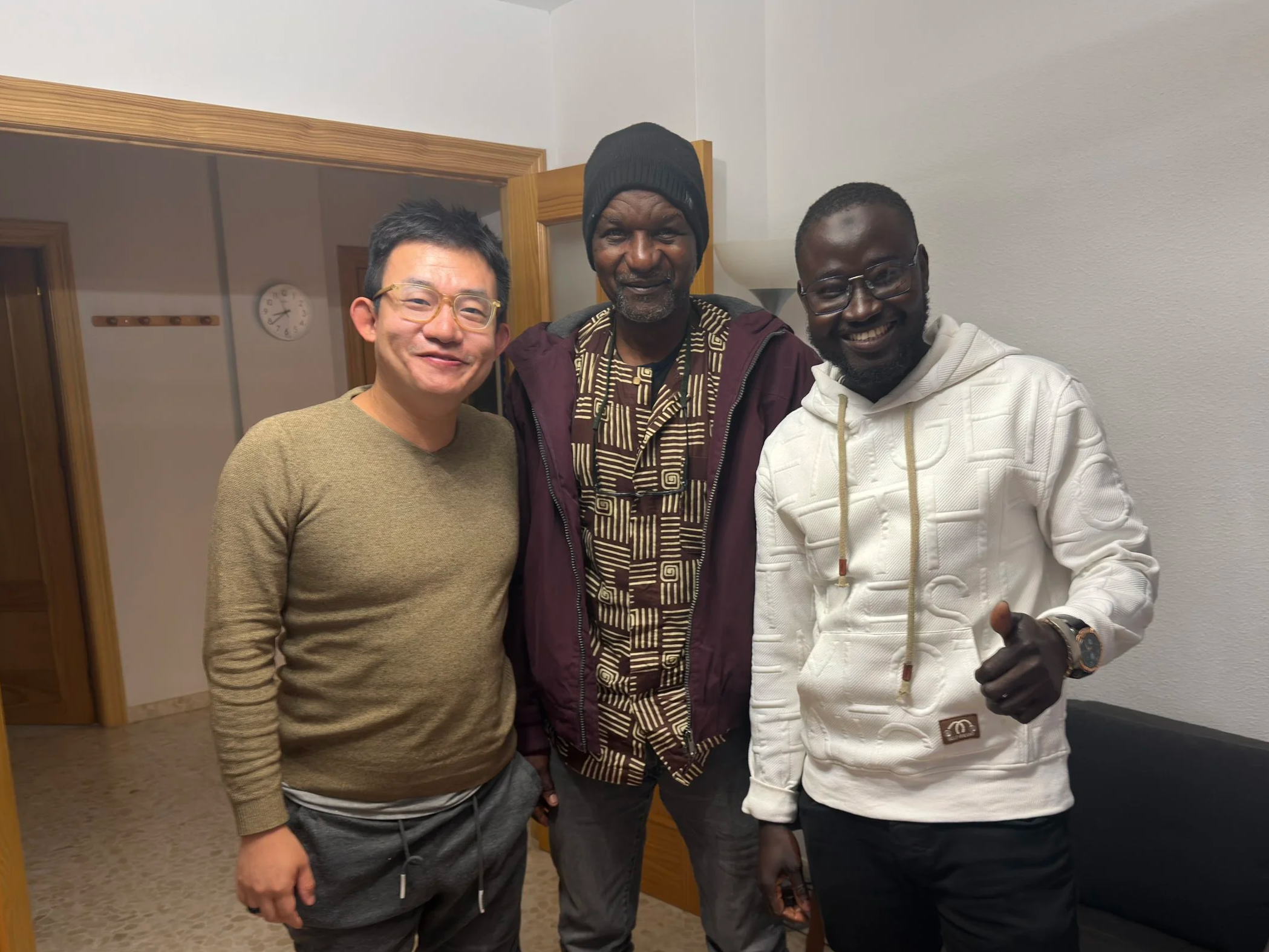
He told me that the journey took four days. Four days in the dark. Four days not knowing how long it would take. Four days not knowing whether they would arrive safely.
I had heard stories like this before in the news, but sitting with someone who had actually lived it was very different.
Many immigrants face enormous challenges when they arrive: language barriers, legal uncertainty, work insecurity, loneliness, cultural adjustment and the pain of being far from family.
But I also saw how ministry can begin in very simple ways: a meal, a conversation, practical care, language help, friendship, listening and prayer.
Azerbaijan and Georgia - A Different Landscape
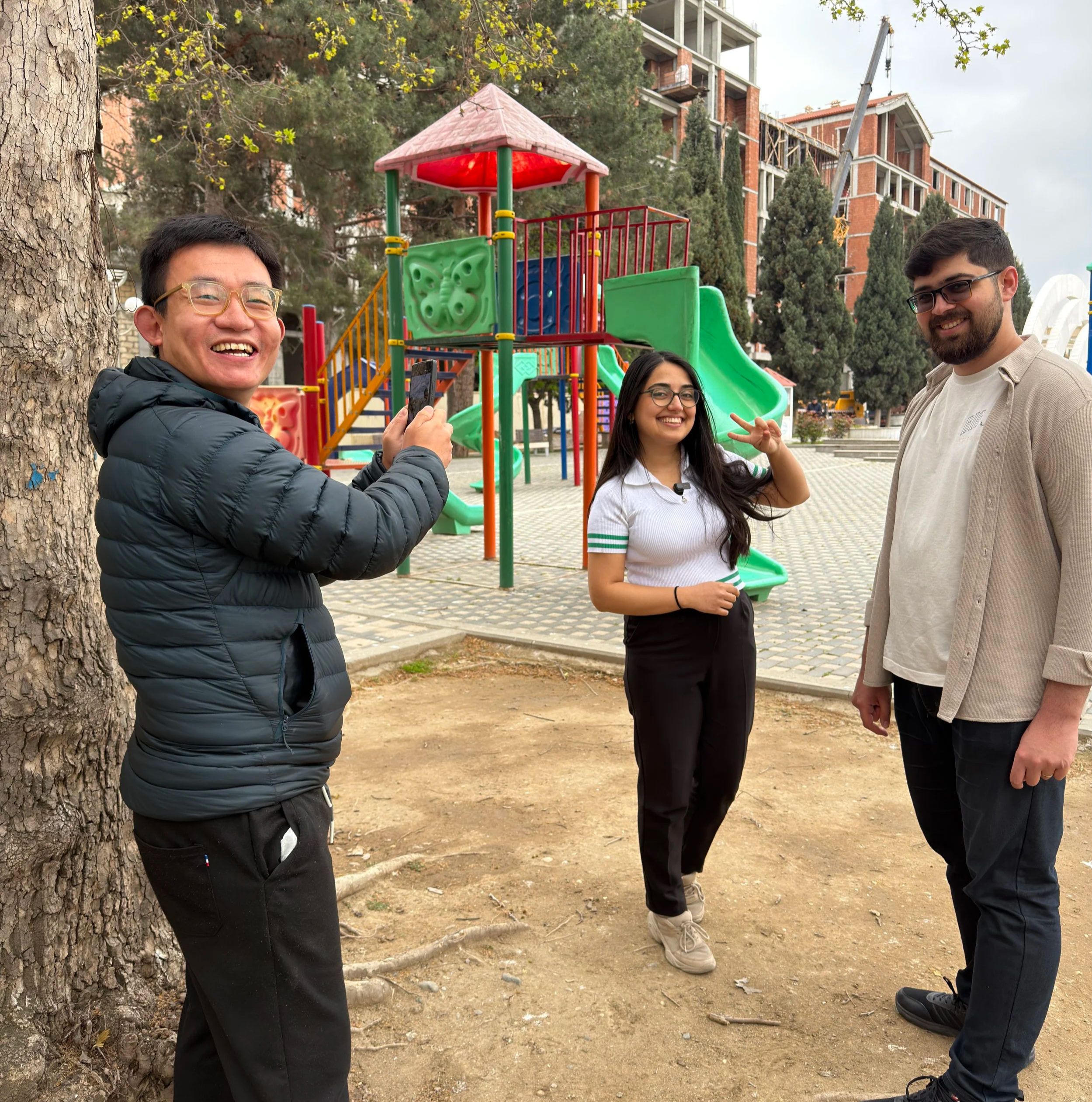
The last part of the trip took me to Azerbaijan and Georgia, where OM is involved in Muslim ministry.
This was a very different landscape for me - culturally, spiritually, and geographically. I was mainly there to observe, help where I could and get a sense of how ministry works in that context.
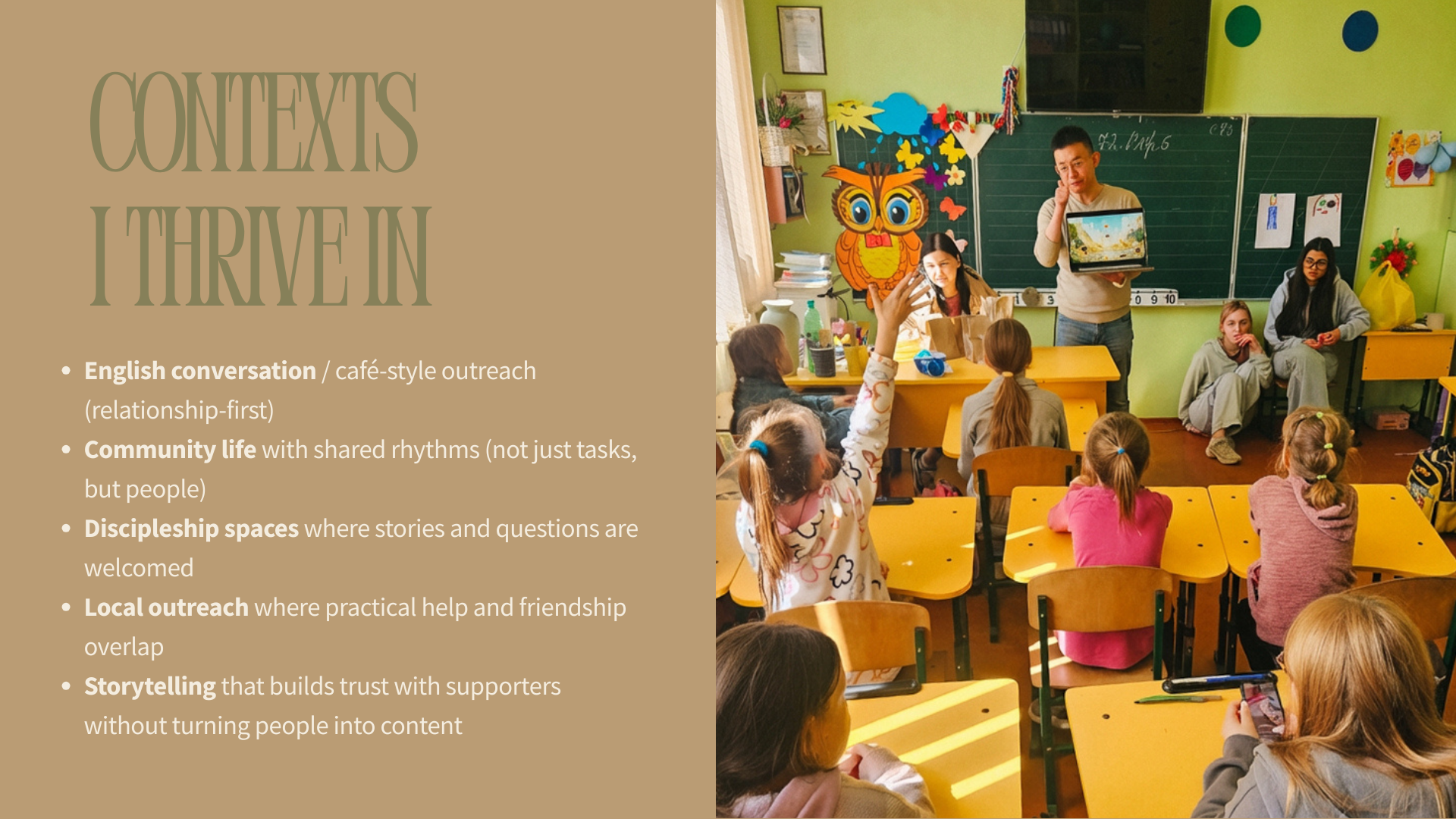
I helped Ramil and his wife with some social media content for their English conversation ministry. Muslim ministry is still relatively new to me. I am still learning how to understand the culture, the assumptions, the questions, and the deep spiritual sensitivities involved.
But one thing moved me: the missionaries themselves.
I met people who had travelled across the world, left behind comfort and familiarity and chosen to live in places where they can feel quite isolated. Some of them serve in contexts where there are not many workers, not many visible results, and not much recognition.
It reminded me that mission is mostly not romantic. Sometimes it is lonely. Sometimes it is slow. Sometimes it is simply choosing to remain faithful in a place where few people see what you are doing.
But God sees.